Pizza Oven Troubleshooting: Soggy Base, Burnt Top
Diagnose pizza-oven faults by symptom: soggy bases, burnt rims over raw middles, sticking to the peel and smoke. Most trace back to stone temperature.
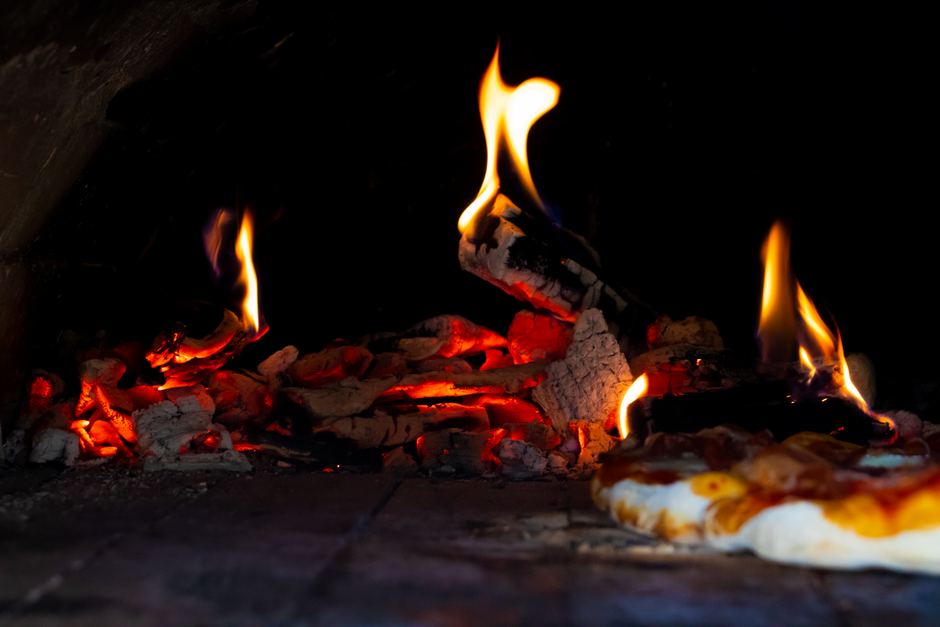
A pizza oven gives you roughly sixty to ninety seconds to get everything right, which is why the same handful of faults come up again and again. The good news is that they are diagnosable: each one has a distinct signature, and once you can read the signature the fix is usually a change of timing rather than a change of kit. This page is arranged by symptom, so find the one that matches what came out of your oven.
If you have not run a session yet, the first pizza night checklist covers the preparation side. This guide is what to do once things have already gone wrong.
Why is my pizza base soggy or pale?
The base cooks by conduction from the stone, so a pale, floppy base is almost always a stone that has dropped below working temperature. Every pizza you launch pulls a substantial amount of heat out of the surface it sits on, and the stone needs time to draw that heat back from the mass beneath it. Cook two or three in quick succession and the third will be noticeably worse than the first, even though the flame has not changed and the air inside is still roaring.
The standard itself is a useful anchor here: the AVPN international regulation puts a true Neapolitan bake at 430 to 480C for 60 to 90 seconds, which is far hotter than most domestic setups reach and much hotter than a stone that has just given its heat to two pizzas. The fix is patience between bakes rather than more heat during them. Give the stone a few minutes to recover, and check it with an infrared thermometer rather than guessing, because the dome and the air come back up long before the stone does. Turning the flame up to compensate does not fix a cold stone; it burns the top while the base stays pale, which is the next symptom on this page.
Two other causes are worth ruling out. Over-saucing puts more water on the dough than a short bake can drive off, and fresh mozzarella that has not been drained does the same thing from above. Cold dough straight from the fridge also resists browning, so let it come up to room temperature before shaping, as covered in the dough guide.
Why is the rim burnt but the middle raw?
This is the signature of a flame running far ahead of the stone. The rim is the thickest, most exposed part of the pizza and sits closest to the rolling flame at the back of the oven, so it takes the most radiant heat. If the stone underneath is not hot enough to cook the centre in the same time, you get a charred cornicione over a raw middle.
The correction is to bring the two into balance rather than to chase one of them. Let the oven sit longer before the first launch so the stone catches up with the dome, then drop the flame during the bake itself, and turn the pizza more often so no part of the rim faces the flame for long. Many people run the flame at maximum throughout because that is how the oven reaches temperature, but heating and baking want different settings.
Why does the pizza stick to the peel?
Because it has been sitting there. Dough starts wicking moisture into whatever it rests on within about a minute, and once it has glued itself down there is no rescuing the launch without tearing it. This is a timing fault rather than a technique fault, and the fix is to build fast: get the base onto the peel last, sauce and top it in seconds rather than minutes, and launch immediately.
Semolina helps because the coarse grains behave like tiny ball bearings between dough and peel, but semolina cannot save a pizza that has stood for five minutes while you arranged the basil. Shake the peel gently before you commit, and if the pizza does not move freely, lift the near edge and throw a little more semolina underneath before trying again.
Why is my oven producing so much smoke?
In a wood-fired oven, heavy smoke usually means the fire is not getting enough air or the wood is not dry enough. Properly seasoned hardwood at around twenty per cent moisture burns cleanly; anything wetter spends its energy boiling water out of itself and produces acrid smoke that will flavour the food unpleasantly. Open the airflow, use smaller pieces to re-establish a hot flame, and let the fire settle before cooking.
In a gas oven, smoke is more often residue than fuel. Flour and semolina that missed the pizza carbonise on the stone, and spilled cheese or oil burns off on the next heat-up. That is normal in small quantities and a sign the oven needs a clean when it becomes constant, which the cleaning guide covers. Persistent smoke from a gas oven that is genuinely clean is worth investigating properly rather than cooking through.
What temperature should the stone be for Neapolitan-style pizza?
The AVPN international regulation specifies an oven at 430 to 480C with a bake of 60 to 90 seconds. Note that it gives a single figure for the oven rather than splitting floor and dome, so treat 430C as the working floor rather than a ceiling. The exact number matters less than the habit of measuring the stone, because that is what tells you whether it has recovered between bakes.